Research
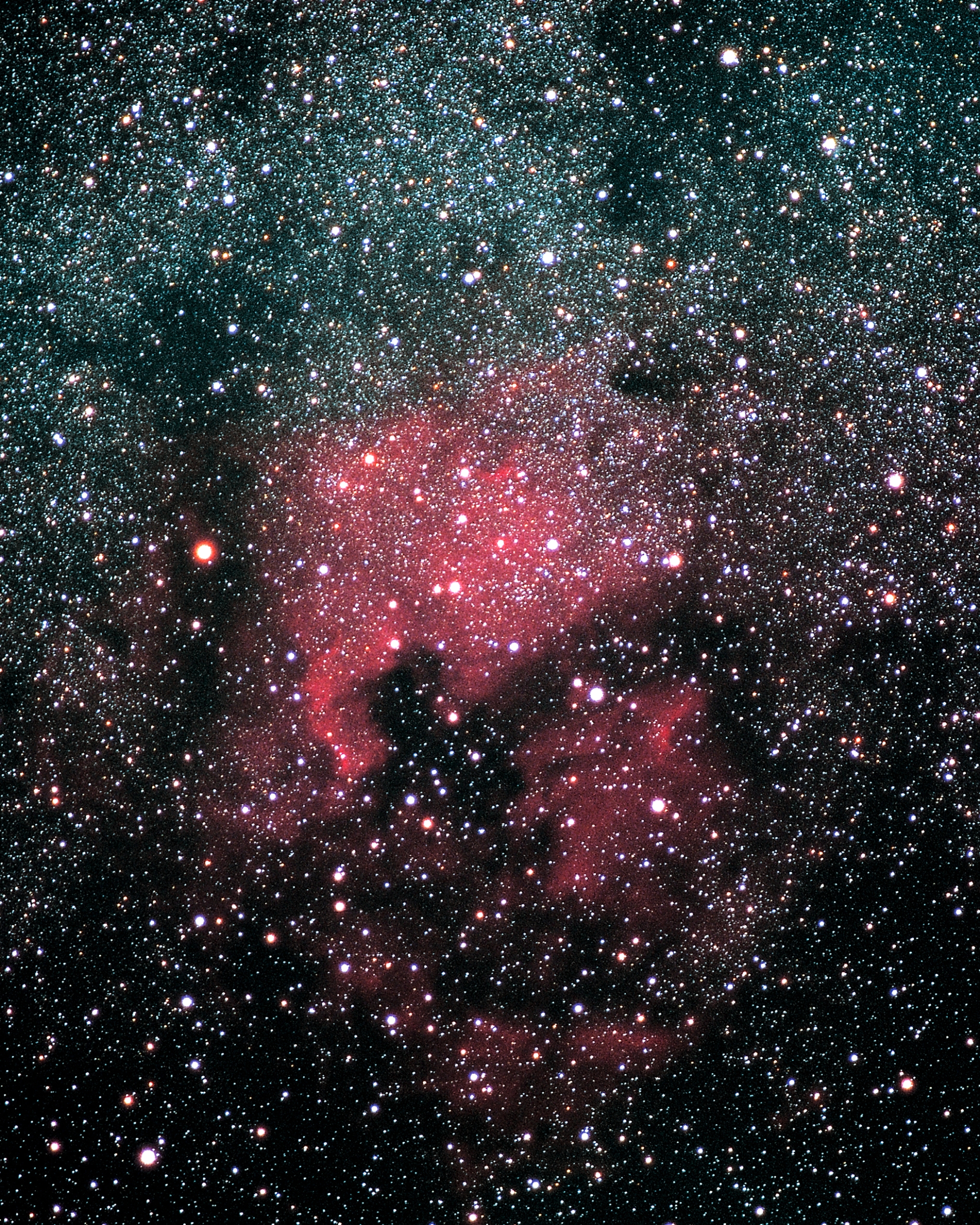
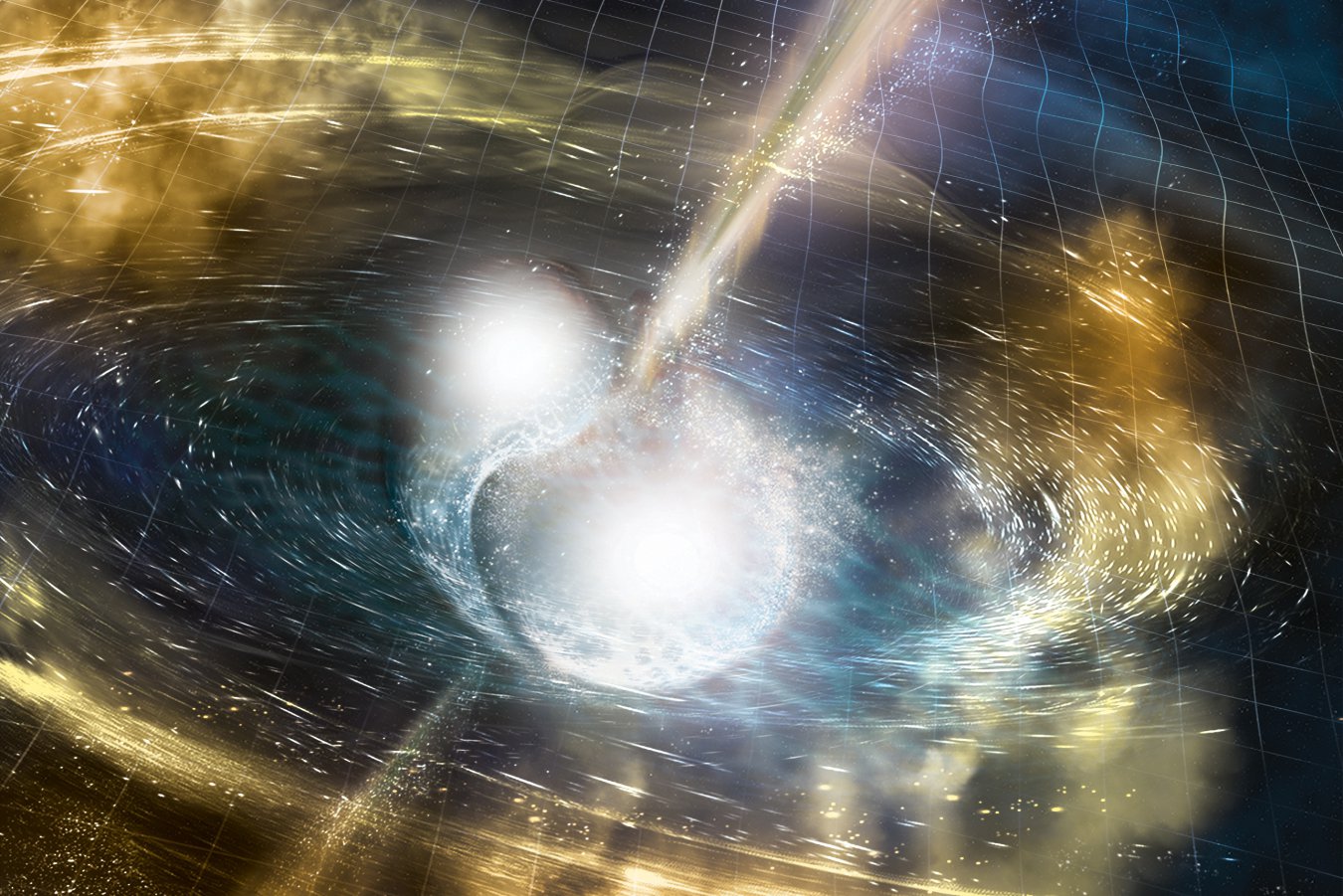
Black holes repeatedly tear at these stars, but they survive
Astronomers discover that stars repeatedly orbiting near supermassive black holes survive each encounter, suggesting that their prior rapid rotation explains both the fading flares and their extraordinarily close orbits.
Biodegradable balloons: the ecological revolution of the humble party decoration
Recreational exercise, not work, protects against Alzheimer's









Latest News


In This Section

Study links current consumption to Second World War mobilisation
Research examines how Second World War mobilisation in eight Allied and Axis nations led to today's modern resource-intensive economies.
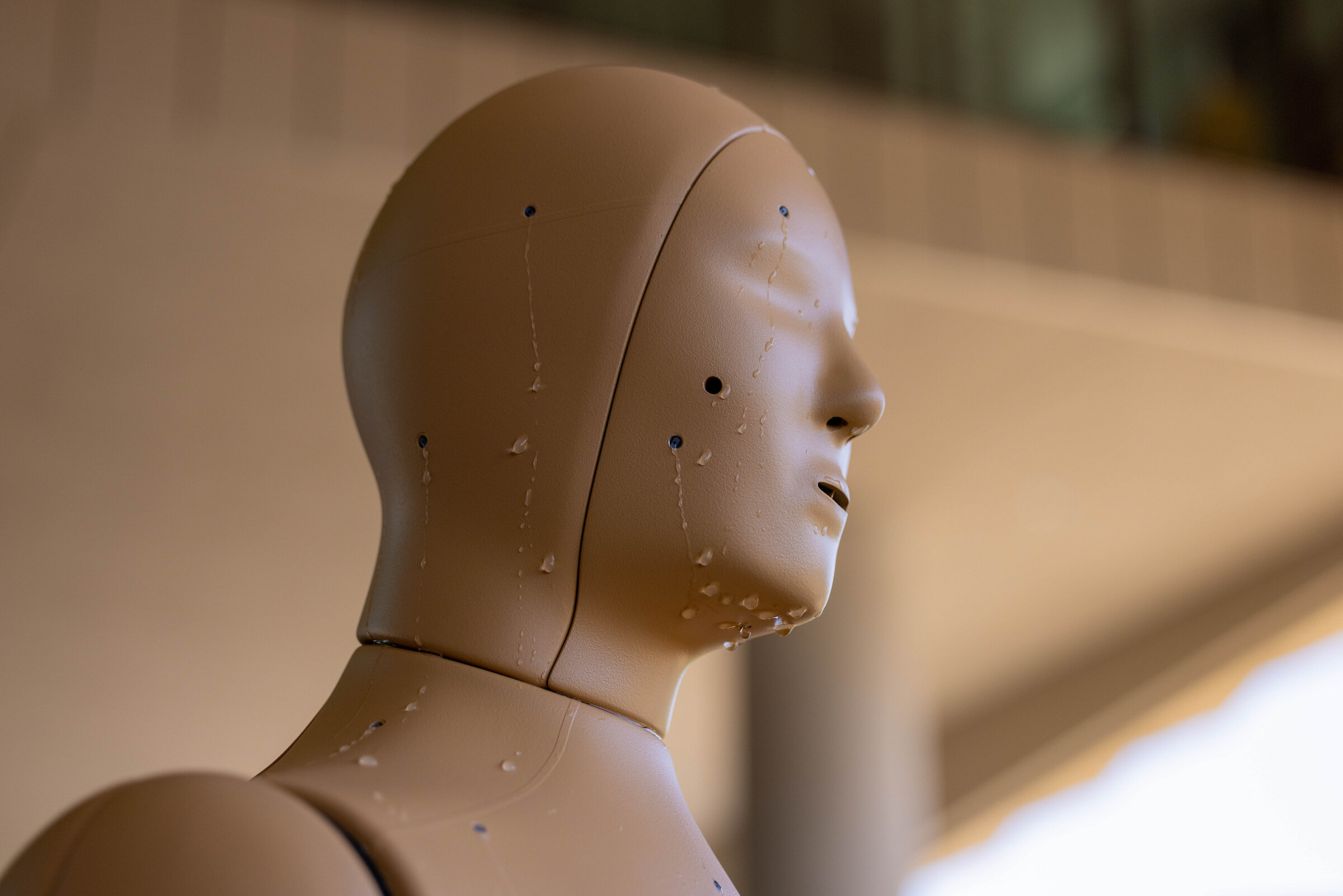
The science of sweat continues to reveal surprises, including how still, dry air hampers cooling
Historical and recent research shows that sweating is crucial for regulating body temperature, though certain environmental factors can interfere with this natural process.

Simple Circuit Can Extend Life of Weak Batteries
A simple electrical circuit using a transformer and transistor can extract additional energy from batteries that are no longer strong enough to power devices normally.

Irregular brain development could explain diverse autism traits
A new study suggests that autism spectrum disorder arises not only from which genes are affected, but also from where and how changes occur during brain development.
All Sections




Middle East